Why working papers come back from review
The partner isn't checking your arithmetic. They're checking whether they can get from a figure back to the document it came from without getting up and finding you.
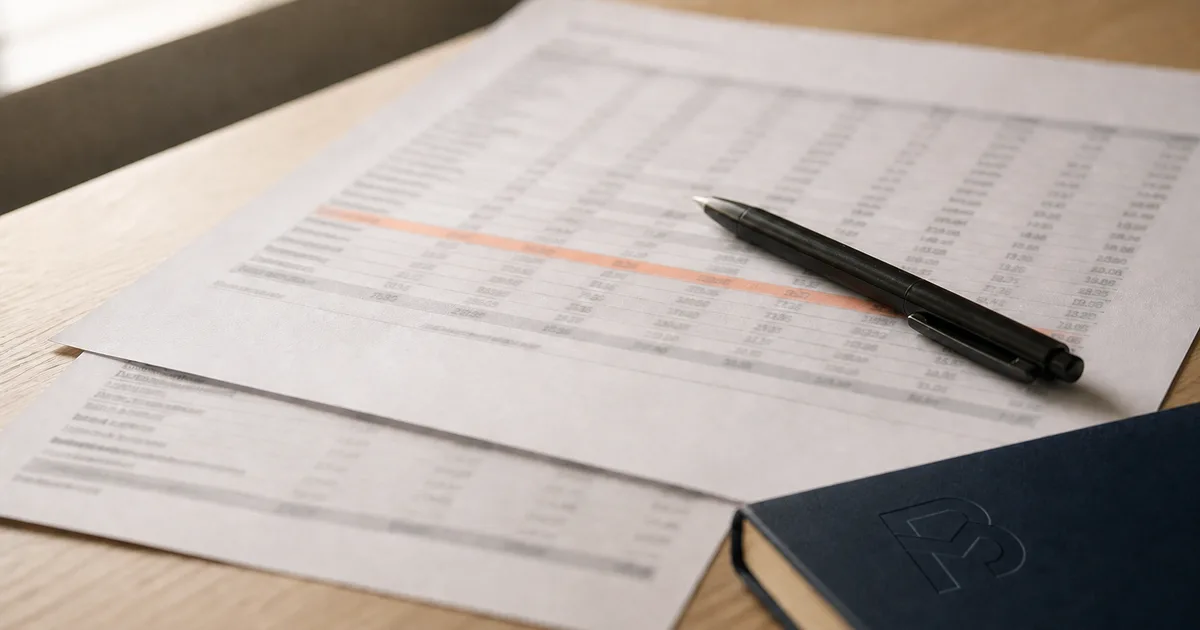
There's a particular silence that happens when a partner opens a file you prepared. It lasts about eleven seconds. You know the one — you're not really breathing through it, and you've suddenly become very interested in your monitor.
Here's what's actually happening in those eleven seconds: they are not checking your arithmetic.
Nobody has ever opened a working paper and thought right, let's see whether this column adds up. Excel has been handling that since before some of us were born. What they're doing is much simpler and much harder to fake — they're picking a number, any number, and seeing whether they can get from it back to the piece of paper it came from without getting up and finding you.
If they can, it gets signed. If they can't, you're about to have a conversation about the September quarter.
The trail is the deliverable. The total is just arithmetic.
A working paper isn't a calculation. It's an argument that a number is right, and an argument only works if someone who wasn't in the room can follow it.
Which means every figure that came from outside the file needs three things stapled to it:
Where it came from. The document, called what the client calls it. "Westpac – business – Mar" beats
Scan_0047.pdf, and it beats it by about four minutes every time someone goes looking.
Where in it. A page. Ideally a line. "It's in the bank statements" is not a reference when the bank statements run to sixty-one pages, eleven of which are the same terms and conditions.
What you did to it. If the number in the paper isn't the number on the page, the step in between has to be visible. A figure that's been netted, apportioned, or grossed up and then presented as though it were read straight off a statement is the single most expensive thing to unpick at review — and it's always, always found at 4:45pm.
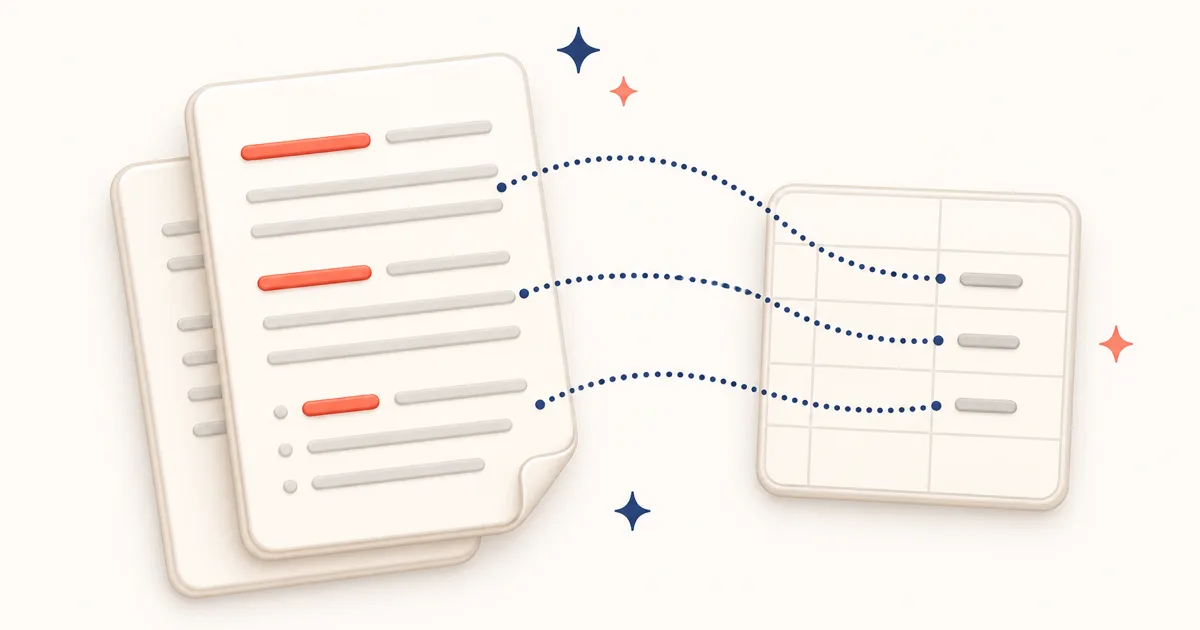
"Reconciles" is doing a lot of heavy lifting in some files
The word gets thrown around a bit. A schedule that adds up to its own total hasn't reconciled to anything. It has demonstrated that addition works, which, congratulations.
A reconciliation needs a second number that got there independently. The TB against the ledger. The GST account against what was actually reported to the ATO. The interest against the lender's annual summary — not against the sum of the payments you pulled out of the statements, because that's just your own working checking your own working and agreeing with itself.
Where the two agree, you've got evidence. Where they don't, that difference is the most interesting line in the whole file and it belongs on the face of the schedule, not hidden in a cell three tabs away waiting to be discovered by someone in a worse mood than you.
The reason to be strict about this isn't tidiness. It's that an unreconciled schedule fails in the direction of looking finished.
Three things that stall a review, ranked by how much they'll annoy someone
Third: a figure with no source. Someone knew where it came from. That someone was you, in March, and you have since slept.
Second: an empty prior-year column. A reviewer's fastest sanity check is last year against this year, line by line. Take it away and they have to form a view on every number from first principles, which is slow, and slow reviews are where things get waved through.
First, and it isn't close: a judgement call dressed up as a fact. If a treatment is arguable, the paper should say so and say why. Burying an uncertain call inside a confident-looking schedule doesn't make the risk go away. It just relocates the discovery of it to a much worse moment, usually one involving the word "amendment".
Flag it, don't quietly solve it
The instinct when something's unclear — a receipt that could be repairs or could be capital, a distribution with no minute anywhere in sight — is to make a call and keep moving, because a file with open questions feels like a file you haven't finished.
Resist it. A decision made quietly by whoever happened to be preparing the file is a decision the firm made without knowing it made one. Written down as a question, that same uncertainty costs the reviewer about thirty seconds and lands with the person whose actual job it is.
The test is easy: if another preparer could reasonably have gone the other way, it goes in front of the reviewer rather than inside the number.
Why we're a bit obsessive about this
Full disclosure, this is more or less our entire product thesis, so take it with however much salt you like.
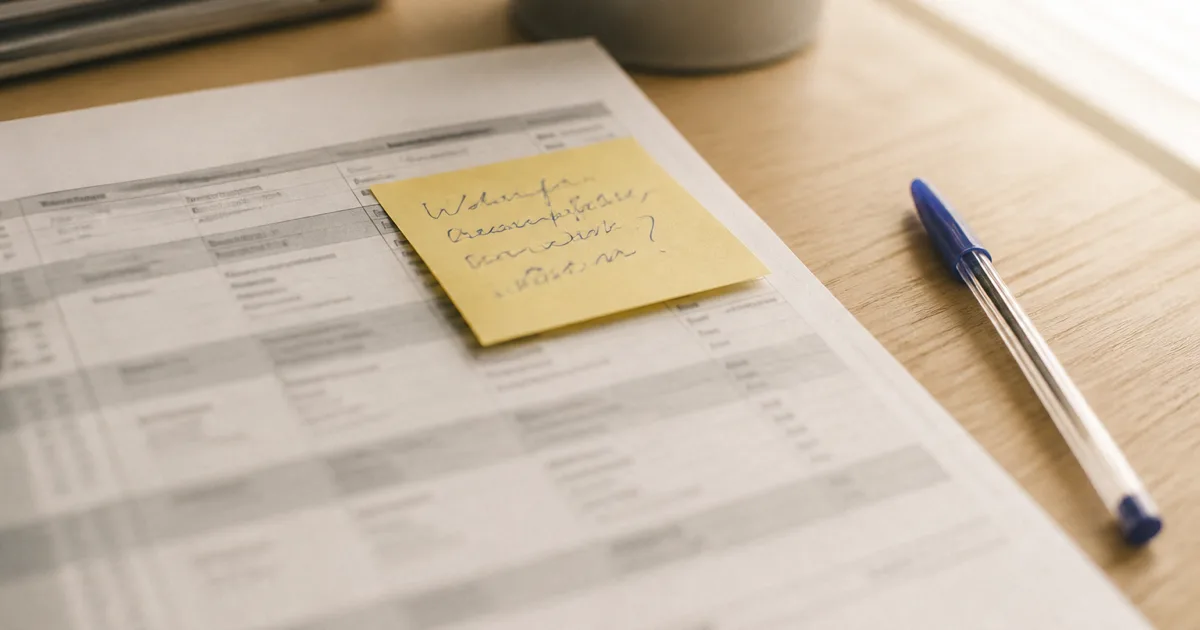
BeforeMay builds the working paper with the trail already attached — each figure carries a link back to the source document and the page it was read from, so clicking a cell lands you on the statement line rather than on a filename. Anything the model couldn't settle comes back as a review point with its reasoning shown, instead of being quietly resolved inside a subtotal.
None of which is a new idea. It's just the thing every good preparer already does by hand at 6pm, written down and made non-optional.