Quoting catch-up tax work: sell a diagnostic
Before you quote a multi-year catch-up, sell a small paid diagnostic with a defined deliverable. Say what the client receives, then price the reconstruction.

The new client sits across from you with a shopping bag. Inside are three years of a small business:
two lever-arch files, a shoebox of receipts, a USB stick labelled ACCOUNTS?? in marker, and a printout
of an email from the previous accountant that ends, politely, "best of luck". They want to know what it
will cost to get everything lodged.
You give them a range. It is wide, and you know it is wide, and you can see them hearing only the bottom of it.
Two months later the bottom of the range is a fond memory. The USB stick held a bookkeeping file that stopped in the second year. There is a second bank account nobody mentioned. Your senior has spent eleven hours finding out what the job is, and none of those hours are on an invoice the client agreed to.
My position: on a catch-up file, the first thing you sell is a paid diagnostic with a written deliverable, and the reconstruction is quoted from that deliverable. The diagnostic is a small job with a fixed price and an end, and it produces something the client can hold, which a range across the table never does.
The free look is the most expensive part of the job
Finding out what exists is real work. Someone has to open the files, list the accounts, see where the bookkeeping stops, and work out which years have anything resembling a ledger. On a tidy single-year return that takes minutes. On three or four years of a business that went quiet, it takes most of a day, and it is skilled work, because deciding that a gap matters is a judgement.
When that work is free, two things happen. The practice absorbs it into the eventual fee, which makes the fee look high for reasons the client never saw. Or the practice skips it and quotes blind, which is how the bottom of the range becomes the number everyone remembers.
We wrote about the rental version of this in quoting a rental catch-up job. The rest of this post is the general case: any file where several years have to be rebuilt, and nobody yet knows from what.

Define what the client receives before you price it
A workable diagnostic report for a catch-up file covers:
- The entities and years in scope. Which returns are outstanding, for whom, as far as the records show. If a trust or a company turns up behind the business, it is listed here.
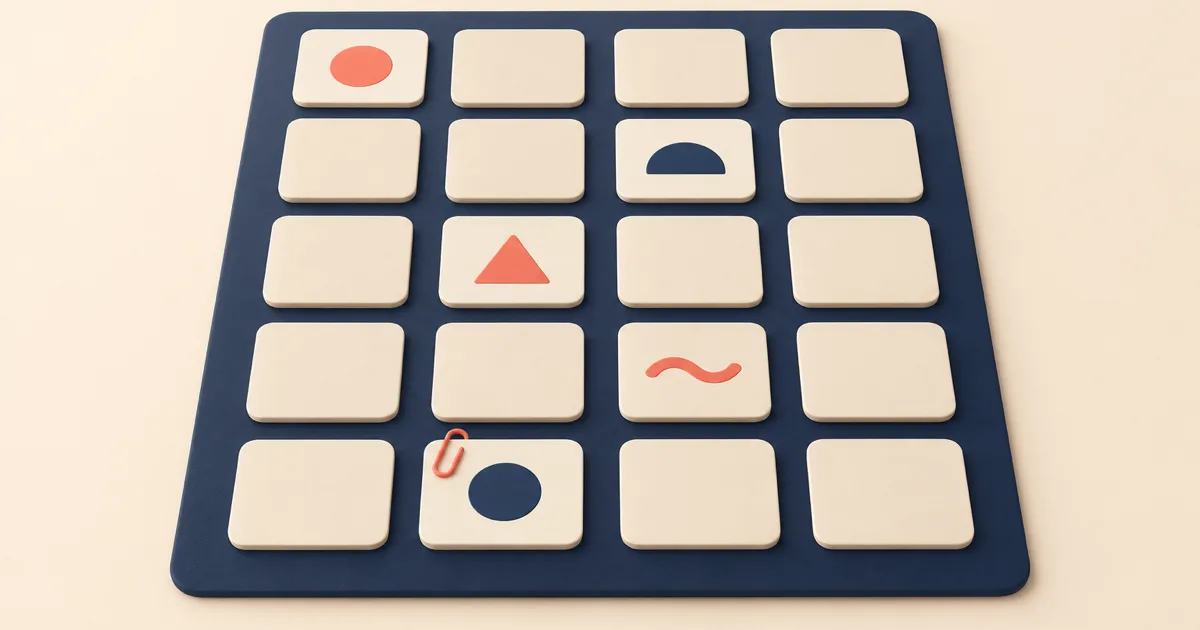
- A record map. Each year across the top, each account or record type down the side, and in each square: held, partial, missing, or held by someone else.
- Where the books stop. The last point at which the bookkeeping can be relied on, and what the records look like after it.
- Open questions for the client. Written so they can answer them, with the document that would settle each one.
- The quote for the reconstruction, year by year, with the assumptions it rests on.
That last item matters most. The diagnostic exists to produce the quote, and a quote built from a record map is one you can explain line by line.
What the report deliberately leaves out: tax positions, estimates of what anyone owes, and any figure that would read like a return. The diagnostic describes the records. It does not prepare from them, and the report should say so in its first paragraph.
Price it like a job, because it is one
Some practices credit the diagnostic fee against the reconstruction if the client goes ahead. That is a commercial choice, and a reasonable one, as long as the credit is written down when the diagnostic is sold. Decide it in advance. A credit offered at the moment the client hesitates at the big number reads as a discount you were holding back.
Agree, also in writing, what happens if the client does not go ahead. The report is theirs. They paid for it, and they can take it to another practice. A clear record map makes the next accountant's quote better, and a client who walks away with something useful is more likely to come back than one who walks away with an invoice for "initial review".
Keep it from turning into preparation
Those ten minutes are preparation, and they are unpriced. Worse, they blur the line the client was told about. If half of year one is coded by the end of the diagnostic, the client will reasonably expect year one to cost half as much.
A simple rule helps: in the diagnostic, you may open anything and record anything, but you change nothing. Errors go into the report as findings. "Year two ledger contains what look like personal transfers coded to wages" is a finding. Recoding them is the job.
The other drift to watch is depth. Checking that a year's bank statements are complete is diagnostic. Reconciling them is not. If the reviewer cannot tell from the timesheet where looking stopped and working started, the diagnostic has quietly become the first stage of an engagement nobody signed.
What the report changes about the conversation
Instead of "somewhere between this and that", you can say: years one and three are straightforward; year two is where the books stop, there is an account we have no statements for, and the quote for that year assumes the bank can supply them. If it cannot, year two is reconstructed from deposits and the fee changes by this much. The client can see each assumption and can usually do something about it.
It also gives you the stop points for the main job. The assumptions in the report are the events that reopen the fee. If the missing statements never arrive, you are not renegotiating from memory; you are pointing at item four. Our post on fixed-fee work that needs a stop point covers how to write those points into the engagement.
And it protects the reviewer. A reconstructed year is reviewed against what the diagnostic said existed. A figure built from a source the record map listed as missing is a question the reviewer can ask in seconds, rather than something found later.

Where BeforeMay fits
When source documents for a case are uploaded, BeforeMay reads them and builds the schedules with each figure linked to the page it came from. Gaps it cannot settle, such as a statement period that is missing or an account that appears once and never again, come back as questions rather than being filled in. On a catch-up file that list of questions is a useful start on a record map, though it does not replace someone in the practice deciding which gaps matter. Our workpaper templates show the schedules, and the FAQ covers how documents are handled.
The diagnostic is still yours to sell. The software only makes the looking quicker.