What a reviewer checks on a Div 7A schedule
A Div 7A schedule that adds up can still fail review. What a partner looks for first, from the loan agreement's date to evidence that each repayment was made.

The company file is nearly done. Tax is calculated, the notice of assessment from last year is
tucked in the back, and there is one tab left: Div7A. Somebody rolled it forward from last year.
Opening balance, interest, repayments, closing balance, minimum yearly repayment, a green tick in
the cell next to "MYR met".
The partner opens it, scrolls to the repayments column, and asks the question that turns a ten-minute review into an afternoon. Where did these come from?
The answer is a journal. Dated 30 June, entered in August, "Dr Loan – director / Cr Dividend payable". There's no minute on file, and nothing in the bank statement that looks like a payment. The tick is still green.
That tick is the problem with most Div 7A schedules. The arithmetic is almost never wrong. What goes wrong is that the schedule shows a loan being managed properly, and nothing in the file proves it was. A reviewer who knows the area reads a Div 7A tab as a list of claims, and goes looking for the evidence behind each one.
Start with the dates, not the numbers
The first thing a careful reviewer looks at is the loan agreement, and specifically its date.
The ATO's page on loans by private companies sets out what makes a loan a complying loan: an interest rate at least equal to the Division 7A benchmark rate for each year, a term within the maximum, and a written agreement in place before the private company's lodgment day for the year the loan was made. The same page defines lodgment day as the earlier of the due date for the return and the date it was actually lodged.
That last detail catches people. A company return lodged early brings its own lodgment day forward with it. An agreement signed "before the due date" can still be too late if the return went in first.
So the schedule should say, near the top and in words:
- the date the agreement was signed, with the signed copy attached or referenced;
- the company's lodgment day for the year the loan was made, and how you worked it out;
- which loan, or which year's advances, the agreement covers.
If an agreement was made in a later year to cover an earlier year's drawings, the reviewer wants to see that you noticed, and what you concluded. A single "agreement on file" note doesn't answer any of that.

The benchmark rate belongs to the year, and the paper should say which year
Rolled-forward schedules are where the interest goes wrong. Last year's rate sits in a cell, the formula references it, and nobody changes it.
The ATO's Division 7A myths page addresses this one directly: the minimum yearly repayment is worked out using the benchmark interest rate for that particular income year, and the rate generally changes each year. The ATO's Division 7A calculator is updated with the new rate each July.
A reviewer doesn't want to re-derive the rate. They want the rate in a labelled cell, the income year it belongs to written next to it, and a reference to where it was taken from. If you checked your figure against the ATO calculator, say so and keep the output with the paper. That takes a minute to do and saves the reviewer a trip to the ATO website to check a number they would otherwise have to trust.
The same goes for the opening balance. It should tie to last year's closing balance on last year's paper, not to whatever the ledger says today. If the two disagree, that difference is the most important line on the tab, and it goes on the face of the schedule. We made the same argument about reconciliations in general in why working papers come back from review.
A repayment is a payment, and a journal is not one
This is where most Div 7A review points come from, and it's the part of the schedule that looks most finished when it is least supported.
The ATO's note on making Division 7A loan payments count is blunt about it: keep contemporaneous evidence of what payments were made and when, because journal entries by themselves are not evidence of payments. Where a repayment is made by offsetting a dividend, the dividend has to be properly declared by 30 June and there has to be evidence it happened. The myths page adds that the dividend, the repayment obligation and the agreement to offset all have to exist by the end of the income year. A journal written in August to record an offset that was never agreed in June doesn't meet that.
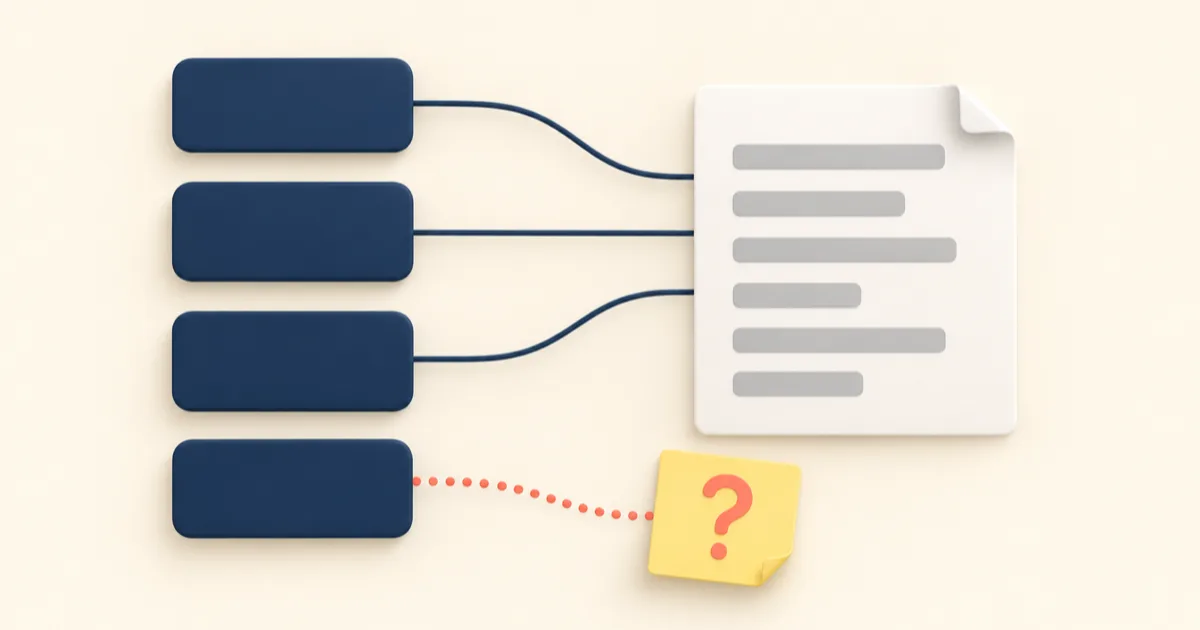
So for each line in the repayments column, the reviewer wants one of three things next to it:
A bank transaction. The statement, the date, the amount. A reference to the page is better than a reference to the file.
A dividend offset with its paperwork. The minute declaring the dividend, dated in the year, and whatever records the agreement to apply it against the loan.
A payment by someone else, with the reason it counts. The same ATO note flags an increase in errors where another entity is directed to pay on the borrower's behalf. That can work, but only if the paying entity had the capacity to pay, and only with contemporaneous evidence that it did.
Then there's the check the ATO spells out on both pages: a repayment may be disregarded if it was funded by borrowing from the same company, or made with the intention of reborrowing a similar or larger amount. So a reviewer will look at what happened in July. A repayment on 28 June followed by a fresh drawing of the same amount on 3 July is a question. The schedule should either answer it or raise it.
Who counts as the borrower is a judgement, so write it down
Many Div 7A schedules only list the director. The ATO's myths page is plain that Division 7A reaches associates of shareholders as well, and that the definition is broad: relatives, a spouse, a company they control, a trustee of a trust they can benefit from.
The reviewer's question is whether you looked. Look for a debit balance on another related party loan account, company money paying a family member's expense, or the company's asset being used privately. None of those needs a long memo. They need one line on the paper saying the ledger was checked for them and what was found, or a review point where it couldn't be settled.
The same applies to distributable surplus when a deemed dividend is in play. The myths page corrects a common mistake: net assets in that calculation are zero, not negative, when liabilities exceed assets. If the schedule leans on the surplus to limit a deemed dividend, show the calculation, not just the answer.
And if the file involves a trust with a company beneficiary and an unpaid entitlement, note that the ATO has marked its page on Division 7A loans as under review following the High Court's decision in Bendel. That is a reason to write down which position the paper takes and why, not to decide quietly and move on.

What a finished Div 7A tab looks like
Nothing on this list needs a new template. It's the same tab with its claims backed up:
- The agreement date, the lodgment day, and which loans the agreement covers.
- The benchmark rate for the year, labelled, with its source.
- An opening balance tied to last year's closing balance.
- Every repayment linked to a bank line, a minuted offset, or a documented direction to pay.
- A note on associates and any reborrowing after year end, even when the answer is "none found".
If a reviewer can check those five in the time it takes to read the tab, the file is signed. If they can't, they come and find you.
Where BeforeMay fits
This is our product, so weigh it accordingly. BeforeMay builds company working papers with each figure carrying a reference to the document and page it was read from, and anything it couldn't settle, such as a repayment with no bank line behind it, comes back as a review point instead of being resolved silently. Our working paper templates show the layout, and the FAQ covers what it does and doesn't do.
It won't decide whether an arrangement falls within Division 7A. That's still the partner's call. It puts the evidence for that call on the paper, or tells you where it is missing.